


Search for wedding themes on Pinterest, and you'll see a cascade of dreamy tablescapes and a venue that looks pulled from a film set. Then the numbers show up, and the shock is real. You realize the average cost of a wedding can be overwhelming when you’re still trying to build a financial future.
The truth is, a beautiful budget wedding requires a smart plan. The most successful celebrations start with a clear total wedding budget, backed by a practical breakdown and thoughtful financial decisions about where to spend and where to save. That’s exactly how to plan a wedding on a budget without sacrificing what matters most.
In the next sections, we'll show you how to create a practical wedding budget breakdown, control the biggest wedding expenses, and design décor that looks absolutely stunning.
The truth, again, is simple! Great weddings happen when you spend wisely. Let's show you how!

Start With the Total Wedding Budget and Your Non-Negotiables
Many couples assume wedding budgeting is restrictive. In reality, it’s the opposite. A clear plan gives you freedom. When you understand your total wedding budget and where the money should go, decisions become easier. The planning process stops feeling overwhelming because every financial decision connects to the same overall vision.
Think of the wedding budget as a blueprint. It guides your wedding planning from the very first venue tour to the final vendor payment. Without it, even small choices quietly inflate wedding expenses.
1. Decide What You Can Actually Spend
Start your wedding planning by deciding the total amount you’re comfortable and able to spend. Some couples try to work backwards (touring venues first or browsing décor before setting a number), but costs can spiral quickly when there isn’t a clear budget guiding those decisions.
You can build that number from a combination of sources, such as:
-
Personal savings
-
The monthly cash flow you can safely allocate during the planning process
-
Family contributions, if offered
-
Any other contributions, if available
Clarify early what that number covers. Some couples include the honeymoon, engagement party, and rehearsal dinner inside their wedding budgets. Others treat those separately. The key is to make sure both partners are on the same page about the financial aspects of the celebration.
Avoid the temptation to stretch into debt unless absolutely necessary. The big day lasts a few hours; your financial future lasts decades. A beautiful wedding can absolutely exist within a thoughtful budget.
Expert Tip: If you're unsure where to begin, research the average cost of weddings in your area. It gives useful context for wedding cost expectations. Just remember: averages from the wedding industry reflect many luxury events. Your wedding plans don’t have to follow that path.
2. Build a Priority List Before You Book Anything
Now comes one of the most valuable planning tips in wedding planning. Each partner should choose their top three priorities. Not ten. Just three.
Common priorities include:
-
A stunning wedding venue
-
A talented wedding photographer
-
Exceptional food
-
A live band for the dance floor
-
A dream dress or elegant wedding attire
-
Lush wedding flowers
These priorities become the backbone of your wedding budget breakdown. If you choose to spend more in one category, something else should intentionally receive less.
For example:
-
If photography matters most, allocate a larger share of the budget to your wedding photographer.
-
If the party atmosphere is everything, invest in a great DJ or live band, and stunning low-budget wedding stage decoration
-
If design and ambiance matter most, focus spending on décor focal points rather than filling every corner of the wedding site.
This simple exercise keeps both partners aligned and prevents frustration later in the planning process.
3. Add a Buffer for Unexpected Costs
Even the most organized wedding planner will tell you the same thing: unexpected costs always appear.
Taxes, service fees, overtime costs, vendor tips, and dress alterations can quietly push totals higher. Rental fees, delivery charges, and last-minute purchases are also common additions.
Smart wedding budgeting reserves 5–10% of the overall budget for these surprises.
That small buffer protects your plans. When something unexpected appears, you won’t feel the pressure of squeezing more money out of the budget at the last minute.
Takeaway: A clear total budget, a defined priority list, and a small safety margin create a stable foundation. Everything else in the wedding budget breakdown builds from there.
Create a Wedding Budget Breakdown That Matches Your Vision
Once your total wedding budget is set, the next step is dividing it into categories. This structure, often called a wedding budget breakdown, transforms a single number into a practical spending plan.
Think of it as the financial map for your entire wedding planning journey. Each category reflects a portion of the overall budget. You'll know exactly where your money is going.
What a Typical Wedding Budget Includes
A typical wedding budget covers a wide range of expenses beyond the obvious venue and food. Many couples are surprised by how many moving parts there are in a modern wedding.
Common categories include:
-
Wedding venue and catering
-
Photography and videography
-
Wedding attire, hair, and makeup
-
Flowers and wedding decorations
-
Music and entertainment (DJ or live band)
-
Wedding invitations and thank you cards
-
Wedding cake and dessert
-
Transportation for the wedding party
-
Rental fees for chairs, linens, or tableware
-
Planner or day-of coordinator
Some weddings also include a cocktail hour, specialty lounge furniture, upgraded lighting, or additional décor elements.
Each of these pieces contributes to the guest experience. Together, they shape the atmosphere of the entire celebration.
Sample Wedding Budget Breakdown by Percentage
There isn’t one universal formula for wedding budgets, but industry benchmarks offer helpful starting points. Many planners use flexible percentages rather than fixed dollar amounts.
A typical wedding budget breakdown might look like this:
|
Category |
Typical Percentage Range |
|---|---|
|
Venue & Catering |
35–45% |
|
Photography & Videography |
10–15% |
|
Décor and Design |
8–12% |
|
Wedding Flowers |
5–7% |
|
Wedding Attire & Beauty |
5–8% |
|
Music/Entertainment |
8–10% |
|
Cake/Dessert |
3–5% |
|
Invitations & Stationery |
2–4% |
|
Planner/Coordination |
5–10% |
|
Miscellaneous |
5–10% |
The largest share almost always goes to venue and catering. That single category absorbs a significant portion of the total wedding cost.
The rest of the budget breakdown should shift depending on your priorities. A couple passionate about photography might invest more in a wedding photographer. Another couple might prioritize wedding decorations or a live band for the reception.
Flexibility is the key to a healthy wedding budgeting strategy.
Cost Per Guest vs. Total Budget
One concept every couple should understand early is the per-head cost. Your wedding expenses will scale with the guest count. Catering, rentals, invitations, and even centerpiece quantities all increase as the guest list grows.
A simple example:
-
80 guests at $120 per person = $9,600
-
120 guests at $120 per person = $14,400
That difference comes from just 40 additional wedding guests. Guest count also affects:
-
Table displays and centerpiece quantities
-
Chair and linen rentals
-
Catering minimums and headcount minimums
-
Wedding invitations and postage
This is why experienced wedding planners always ask the same early question: how many guests?
The size of your wedding guest list influences nearly every category within the wedding budget breakdown. Control that number thoughtfully, and you’ll protect the overall budget while still creating a meaningful celebration.

The Fastest Ways to Cut Major Wedding Expenses
Now that you understand how a typical wedding budget is structured, the next step is identifying where you can reduce costs without sacrificing the experience. Couples often worry about small details, such as party favors, signage, or décor accents, while the largest wedding expenses come from just a few categories.
If your goal is to save money without compromising the experience, focus on the biggest budget levers first.
1. Evaluate Your Guest List: A Quick Way to Save Money
Some practical ways couples manage the guest list:
-
Create an A/B list during early wedding planning
-
Consider an adults-only reception
-
Keep the bridal party small
-
Host a more intimate reception instead of a large ballroom event
The average cost of weddings often climbs simply because guest counts grow. A thoughtful list keeps the overall budget under control while maintaining a warm, meaningful atmosphere.
2. Choose Venue Choices That Lower Wedding Cost
Your wedding venue is typically the largest line item in a typical wedding budget. It often includes catering minimums, service fees, and rental fees, so choosing the right space matters.
Several venue types naturally lower wedding expenses:
Backyard Wedding
Hosting the event at a private home can dramatically reduce venue costs. Rentals may still be needed, but eliminating venue rental fees frees up more money for design, food, or a great wedding photographer.
Restaurant Private Rooms
Restaurants already have kitchens, staff, and furniture. That eliminates many rental costs.
Public Gardens or City-owned Properties
County parks, historic buildings, and botanical gardens often offer beautiful settings at a fraction of the cost of traditional venues.
Single-site Weddings
Holding the ceremony and reception at the same venue avoids duplicate transportation, setup costs, and vendor coordination.
Weekday or Off-season Dates
Saturday evenings command premium pricing across the wedding industry. Couples who choose Friday, Sunday, or off-season dates often see meaningful savings.
These adjustments to venue choices can reshape wedding budgets without sacrificing style.
3. Make Food, Bar, and Cake Decisions That Reduce Wedding Expenses
Food is another category that absorbs a significant portion of the wedding budget. Fortunately, small shifts in service style can make a big difference.
Options that often reduce costs include:
-
Brunch or lunch receptions
-
Buffet or family-style service instead of a plated meal
-
Limited bar menus instead of a full open bar
Many couples also simplify dessert service. Instead of a towering traditional cake for 150 guests, a small display wedding cake paired with sheet cakes behind the scenes works beautifully.
Guests still enjoy dessert, photos still feature a beautiful cake moment, and the overall cost drops significantly.
4. Entertainment and Timeline Choices
Entertainment shapes the celebration's energy, but it can also influence the overall budget.
A live band creates incredible energy on the dance floor, yet it often costs significantly more than a DJ. Couples working with tighter wedding budgets sometimes choose a DJ for the reception while reserving live music for the ceremony or cocktail hour.
Timeline decisions matter too. Shorter receptions reduce staffing costs and overtime costs for vendors.
Simplifying the schedule can also help:
-
Fewer formal program segments
-
Shorter cocktail hour
-
Streamlined reception timeline
These small adjustments protect the budget while still delivering a memorable big day.
Takeaway: The biggest budget levers include the guest list, wedding venue, food and bar, and entertainment. Control these four elements carefully, and the rest of the wedding budget becomes far easier to manage.
After adjusting the biggest budget categories, décor becomes the next opportunity to save money while still creating a beautiful atmosphere.

Saving on Wedding Decor: How to Make a Budget Wedding Look Absolutely Beautiful
Professional planners and florists rarely fill a wedding site with endless décor. Instead, they focus on visual impact. A few carefully chosen focal areas, thoughtful lighting, and distinctive vessels can stun guests.
Many event designers rely on wholesale décor sources like Jamali Garden to achieve this balance. Access to professional-grade vessels, candle holders, and silk botanicals enables planners to create elegant wedding venues without exceeding the budget.
Here's how to save on decor on your big day:
1. Focus on the Areas Guests Notice Most
Guests rarely remember every decorated corner of a venue. What they do remember are the visual anchors. These anchors typically include the following:
-
Ceremony backdrop or arch
-
Reception tables
-
Escort card or welcome table
-
Bar area or cake table
-
Reception entrance
Concentrating on these focal areas creates a stunning space without decorating the entire venue. Stunning vessels are especially effective for low-budget wedding stage decoration.
-
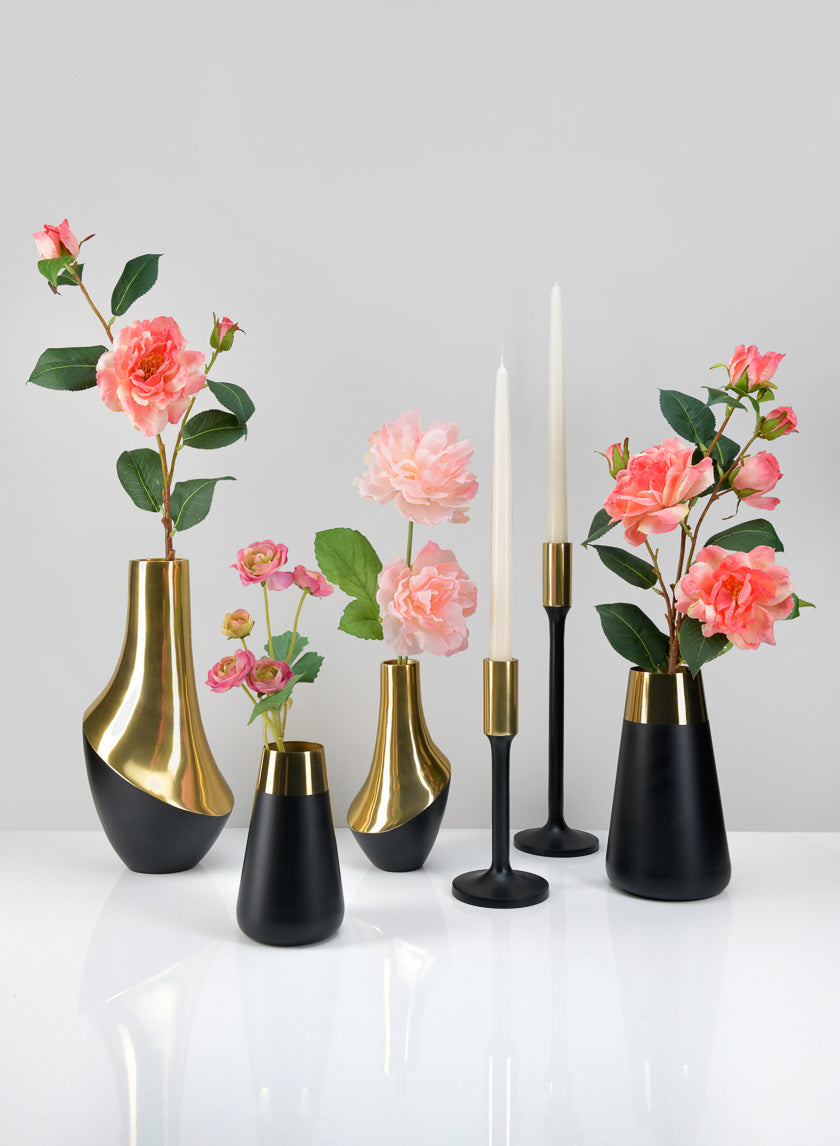
Tall metal urns in gold or silver beautifully frame a ceremony backdrop.
-
Distinctive metal vases on a welcome table immediately elevate the scene.
-
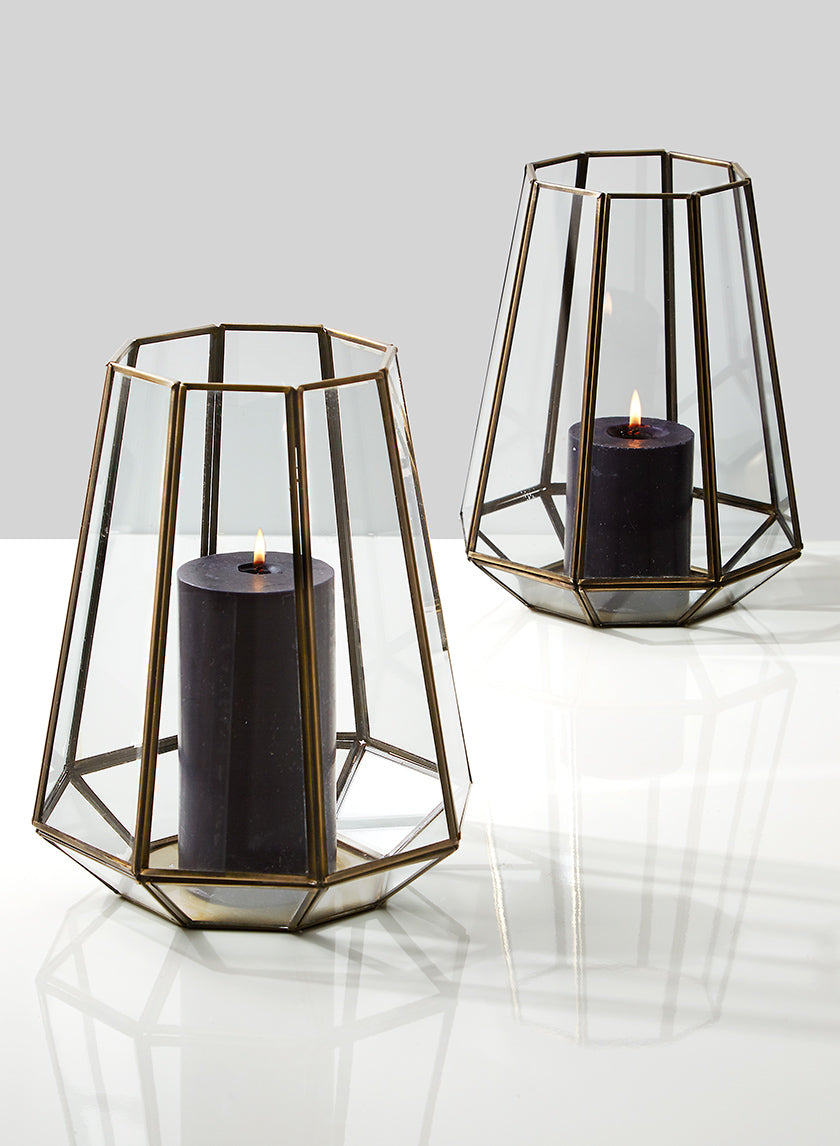
Lanterns or candle holders can also beautifully frame ceremony aisles, guiding guests toward the altar while adding a soft glow.
Jamali Garden’s collections of centerpieces and vases are frequently used by professional planners for this reason. A few distinctive pieces create a strong design presence without requiring dozens of arrangements.
2. Use Fewer Flowers
Large floral installations are one of the biggest wedding expenses. Many couples assume lush flowers require large arrangements everywhere, but professional designers often take a different approach.
Smaller arrangements placed thoughtfully throughout the venue create a beautiful harmony while controlling floral spending.
Budget-friendly floral placements include:
-
Metal bud vases on reception tables
-
Small floral arrangements for aisle markers
-
Floral accents on the escort table
-
A few gold centerpieces on cocktail tables
Clusters of smaller vases often feel fuller than one oversized centerpiece.
3. Choose Décor That Adds Height, Texture, and Glow
Variations in table height make a room feel intentionally styled. Reflective surfaces amplify light, while candlelight softens the entire environment. These design techniques create elegance without requiring large floral budgets.
Common strategies include:
-
Tall vessels or candelabras for height
-
Mercury glass vases for a reflective glow
-
Stunning glass vases that catch candlelight
-
Lanterns to illuminate walkways and entrances
Mercury glass vases are among the best candle holders, particularly popular for their reflective surface, which diffuses candlelight across the room.
4. Repurpose Ceremony Décor for the Reception
Ceremony décor often appears for just 30 to 45 minutes. Smart wedding planners reuse these pieces throughout the celebration.
Some easy transitions include:
-
Aisle arrangements moved to reception tables
-
Ceremony arch florals transferred to the sweetheart table
-
Entrance décor relocated to the bar or cake display
Durable décor elements make this especially simple. Silk wedding flowers, for instance, offer a great advantage. They hold their shape regardless of temperature, and you can prepare them well in advance of the wedding day.
5. Choose Budget Wedding Centerpieces, Flowers, and Candles That Look High-End
Reception tables are among the largest décor categories in a wedding budget breakdown. Every table needs something visually appealing, and those centerpieces appear in many wedding photographer images throughout the evening.
Fortunately, creating elegant tables doesn’t require enormous floral arrangements. Professional event designers often rely on three elements:
-
Wholesale bud vases
-
Wholesale silk flowers
-
Wholesale candle holders and candles
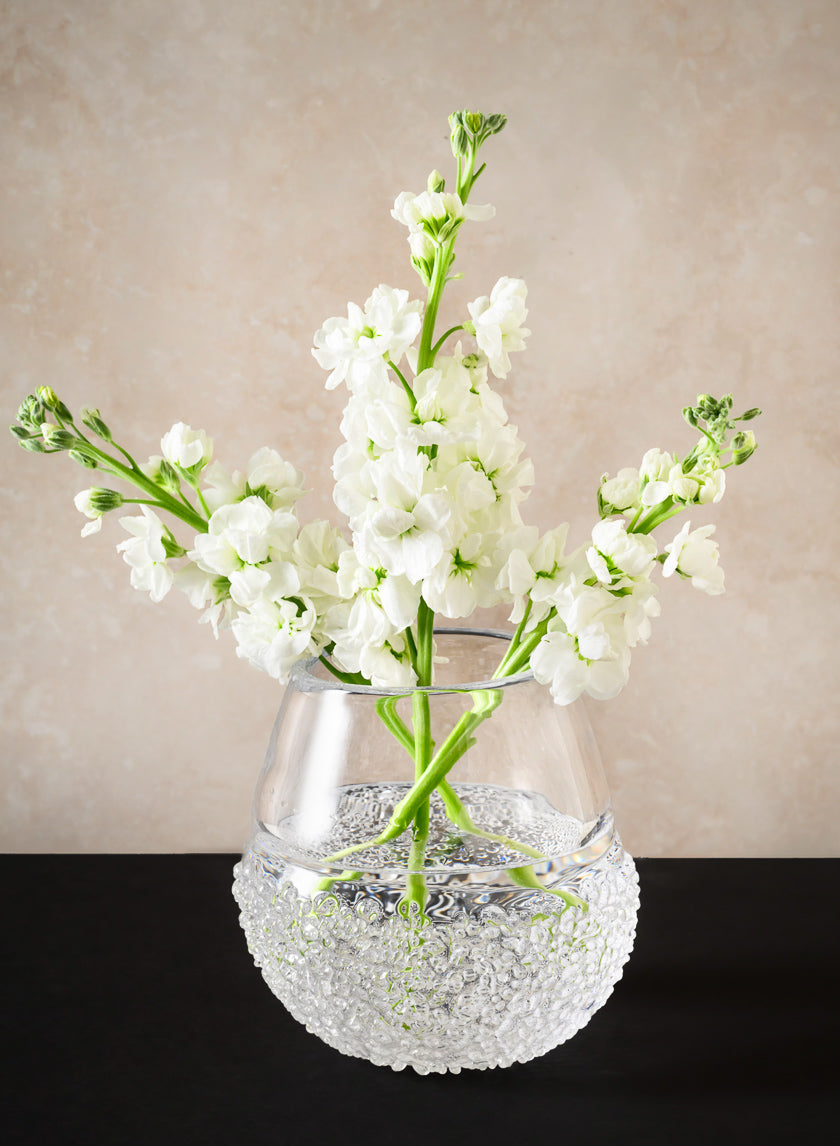
Winterthur Ice Crystal Glass Vase
✅Designer's Choice ✅Fast Shipping
Shop NowWhy Bud Vases
Bud vase arrangements have become one of the most popular centerpiece styles in modern wedding planning. They work beautifully because they require fewer stems while still filling the table.
A typical arrangement might include:
-
3–5 vessels per table
-
Mixed heights and shapes
-
A mix of greenery, delicate blooms, and occasional stems
Note: Guests also appreciate the fact that bud vase centerpieces don’t block conversation across the table.
Jamali Garden’s wide collection of bud vases and mini vessels allows planners to mix glass textures, mercury finishes, and metallic accents. Wholesale pricing makes it practical to style multiple reception tables without inflating wedding budgets.
Why Silk Flowers Instead of Fresh Flowers
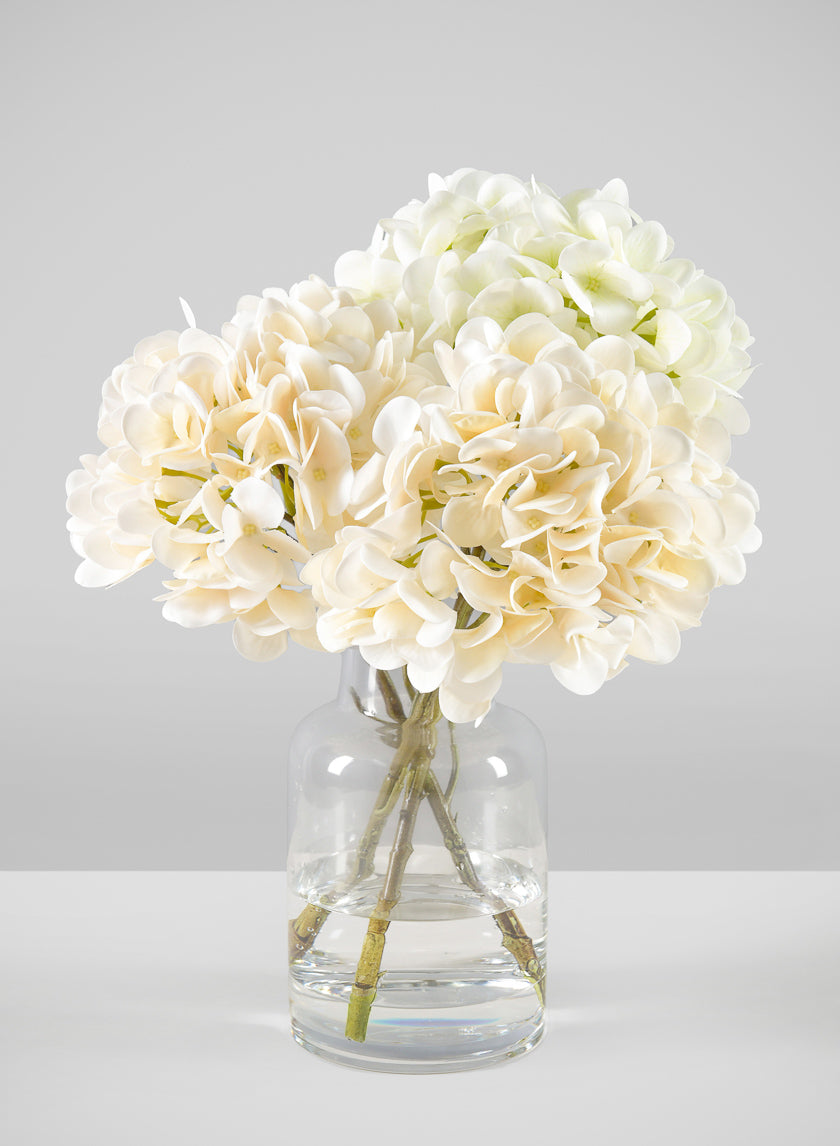
Fresh wedding flowers are beautiful but perishable, and often expensive. Delivery, refrigeration, and last-minute replacements add to the overall cost. Silk flowers eliminate most of these variables. They allow couples and planners to:
-
Prepare arrangements earlier
-
Reuse arrangements throughout the wedding site
-
Resell or repurpose décor after the event
Jamali Garden’s real-touch and real-look silk flowers replicate natural botanicals with remarkable realism. The petals feel soft, the colors are vibrant, and the shapes mirror fresh blooms.
Popular varieties used for weddings include:
-
Peonies
-
Hydrangeas
-
Orchids
-
Roses
-
Cherry blossoms
-
Tropical foliage
These stems are available in bulk case pricing, making them especially appealing for large table displays or ceremony installations.
Learn how to use silk flowers like a pro in our comprehensive guide: How to Decorate with Silk Flowers.
Why Candle Holders and Candlelight
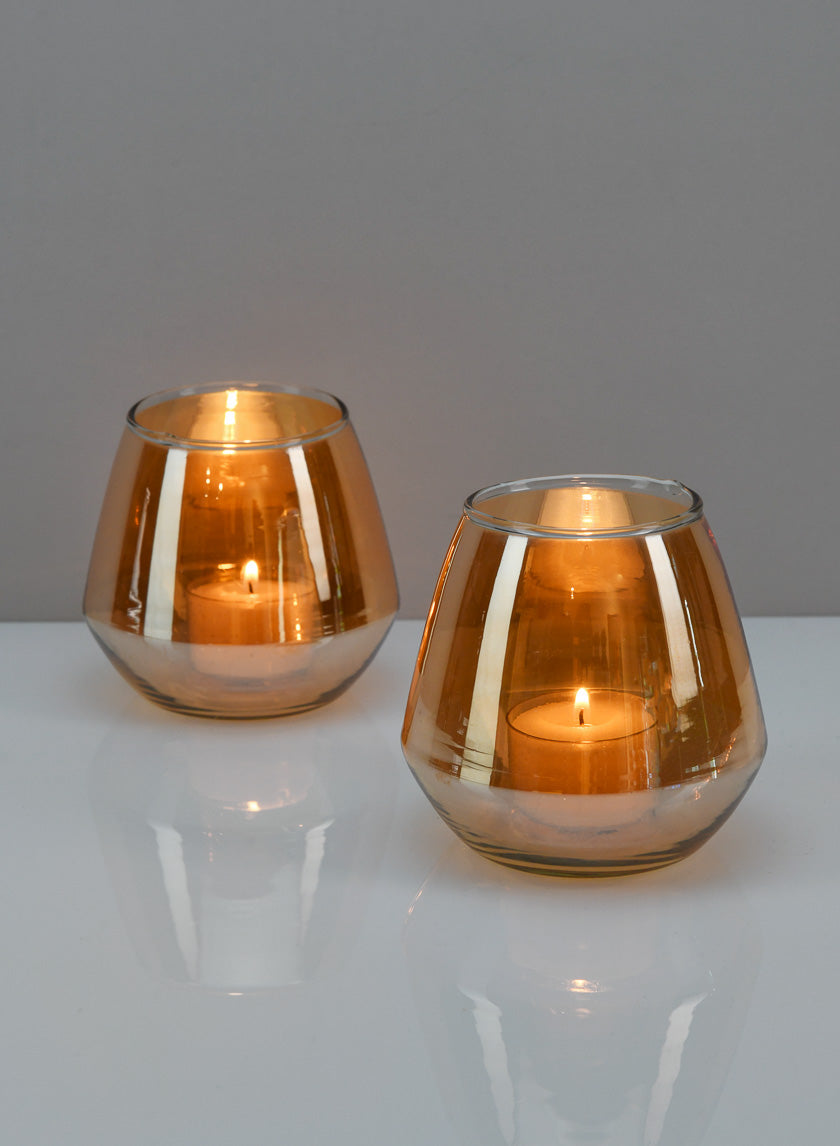
You've definitely experienced the magic of candlelight. It brings warmth and romance, and dances beautifully on tablescapes. As the evening progresses, the glow across the tables softens the entire room.
Reflective materials enhance that effect. Mercury glass votives scatter candlelight beautifully, creating sparkle across tabletops and surrounding décor.
Professional event planners often combine several candle types:
-
Votive or tea-light holders surrounding centerpieces
-
Pillars, tapers, and floating candles in candlesticks or clusters
-
Rustic or modern lanterns placed along walkways or near the bar
Because these items work across many wedding themes, planners frequently reuse them across multiple events.
A room filled with candlelit tables, reflective vessels, and thoughtfully arranged wedding centerpieces creates an atmosphere that feels luxurious, even when the décor budget remains carefully controlled.

Where to Splurge vs Save on Wedding Decor
Some décor moments deserve more investment. Others rarely affect the guest experience.
Splurge On:
-
Ceremony backdrop or arch
-
Reception centerpieces
-
Key focal installations
Save On:
-
Aisle décor
-
Party favors
-
Excess signage
-
Bathroom baskets
This approach aligns perfectly with a thoughtful wedding budget breakdown: invest where guests look first, simplify everywhere else.
Save More: Spend Smarter on Attire, Invitations, and Personal Details
The next opportunity to save money appears in the personal details. These elements matter for the experience and the photos, but they don’t need to consume a large portion of the wedding budget. With thoughtful choices, you can maintain elegance while keeping wedding budgets balanced.
Wedding Dress and Wedding Attire
Finding the dream dress is one of the most emotional parts of wedding planning. The classic white dress moment carries a lot of meaning, but it doesn’t require an unlimited budget.
These strategies help couples manage this category:
-
Shop sample sales at bridal boutiques
-
Explore pre-owned wedding dresses from reputable resale platforms
-
Consider dress rentals for rehearsal dinners or secondary outfits
-
Choose styles that require minimal alterations
The same thinking applies to the rest of the wedding attire. Bridal party coordination doesn’t mean everyone needs identical, expensive pieces. Many couples now allow their bridal party to select dresses within a color palette. This approach respects different budgets.
Hair and makeup are other areas to plan carefully. Book professional hair and makeup for the couple and a few close attendants. This can be a great investment without extending services to the entire wedding party.
Wedding Invitations and Stationery
Printed wedding invitations have long been part of tradition, but modern wedding planning allows more flexibility. Digital invitations are increasingly popular for:
-
Engagement parties
-
Bridal showers
-
Rehearsal dinners
-
Even full wedding suites for smaller celebrations
Couples often keep printed pieces simple:
-
One elegant invitation
-
Minimal day-of signage
-
Thank you cards after the celebration
Wedding Favors and Extras
Party favors are often the first item cut by experienced wedding planners, and for good reason. Many guests forget them on the table at the end of the evening. If couples want to include wedding favors, the most successful options are:
-
Edible treats
-
Useful items
-
Something meaningful to the couple
Otherwise, skipping favors entirely allows more of the budget to support guest experience. A memorable cocktail hour, comfortable seating near the dance floor, or excellent music often leaves a stronger impression than small takeaway items.

Plan the Wedding Like a Pro So You Actually Stay on Budget
A carefully designed wedding budget can still drift if you don't track spending closely. Organization is one of the most important planning tips in the entire process. Professional wedding planners rely on detailed systems because clarity prevents surprises.
1. Track Every Quote and Payment
The simplest tool can be a spreadsheet. Some couples prefer dedicated wedding budgeting apps, but the concept is the same.
Track every detail, including:
-
Vendor quotes
-
Deposits and payment schedules
-
Taxes and service charges
-
Gratuities
-
Rental fee details
Seeing all numbers in one place keeps the total budget visible at every stage of wedding planning. Without this visibility, you may assume you're under budget until the final weeks before the big day, when you realize you've already overspent.
2. Vet Wedding Vendors Carefully
Choosing reliable vendors protects both the budget and the planning process. Before signing contracts, ask vendors:
-
What exactly is included in the package?
-
Are delivery, setup, and breakdown included?
-
Are there potential overtime costs?
-
Are additional rental fees possible?
Sometimes duplicate charges occur when responsibilities overlap between vendors. For example, both a florist and a rental company might quote similar décor items. Clear communication prevents these situations.
3. Know When DIY Helps and When It Hurts
DIY projects can help wedding budgets, but only when they save real money and allow enough time for preparation. Projects that often work well include:
-
Simple centerpiece assembly
-
Welcome signage
-
Escort cards
More complex projects, like large installations or complicated floral work, often become stressful close to the wedding day.
Couples sometimes source items from Facebook Marketplace, resale groups, or even dollar stores. These options can help, but quality control matters. A mismatched collection of décor rarely supports the overall wedding theme.
Budget Mistakes to Avoid:
-
Booking vendors before confirming the total budget
-
Ignoring service charges and taxes
-
Overcommitting to DIY projects
-
Expanding the guest list late in the planning process
Avoid these mistakes, and wedding planning becomes far more manageable.
Ultimate Budget Wedding Planning Checklist: Stay on Track From Start to Finish
Early Planning (12–18 Months Before):
-
Set the total wedding budget
-
Estimate how many guests you plan to invite
-
Choose a wedding venue or wedding site
-
Begin researching wedding vendors and photographers
Mid Planning (6–12 Months Before):
-
Finalize the wedding budget breakdown
-
Order the wedding dress and wedding attire
-
Secure the wedding photographer
-
Book entertainment (DJ or live band)
-
Plan décor concepts and centerpiece ideas
Closer to the Wedding Day (3–6 Months Before):
-
Send wedding invitations
-
Confirm catering details and menu
-
Finalize ceremony and reception timeline
-
Purchase or assemble décor elements
Final Weeks:
-
Confirm guest count with vendors
-
Finalize seating arrangements
-
Prepare the welcome table and table displays
-
Confirm delivery times and vendor arrival schedules
With these steps in place, couples can start planning confidently and keep the wedding budget aligned with their vision.
FAQs
What is a Realistic Budget for a Wedding?
A realistic wedding budget varies widely by location and guest count. In many regions, the average cost ranges from $20,000 to $40,000, though smaller celebrations can cost far less. The most important factor is setting a total budget that aligns with your financial future.
How Do You Plan a Wedding on a Small Budget?
Start with the total wedding budget, keep the guest list manageable, prioritize the elements that matter most, and simplify everything else. Strategic décor choices and flexible venue options can significantly reduce costs.
What Is the Cheapest Way to Have a Wedding?
A small guest list, a backyard wedding, and a simple reception with minimal rentals can create a meaningful celebration at a lower cost. Many couples choose brunch receptions or restaurant venues to save money.
What Is the Average Wedding Cost Per Guest?
The average cost per guest often ranges from $100 to $250, depending on catering, rentals, and location. Guest count plays a major role in determining the overall cost of the wedding.
How Can I Save Money on Wedding Flowers?
Use smaller arrangements, repurpose ceremony flowers for the reception, and consider silk flowers for installations or centerpieces.
Are Silk Flowers Cheaper Than Real Flowers for Weddings?
Silk flowers can be more cost-effective for large installations or décor that needs to last all day. High-quality options also allow earlier preparation and reuse after the event.
Is a Backyard Wedding Really Cheaper?
Often, yes, but it depends on rental needs. Backyard weddings can reduce venue rental fees, but rentals for tents, furniture, and restrooms may still be required.
How Much Should I Budget for Wedding Décor?
Many couples allocate 8–12% of their wedding budget to décor. The amount depends on the design's complexity and the extent of floral work included.
Do Wedding Planners Help You Save Money?
A skilled wedding planner can help couples avoid costly mistakes, negotiate vendor packages, and manage the budget breakdown effectively.
How Far in Advance Should You Start Wedding Planning?
Most couples start planning 12–18 months before the wedding day. This timeline allows time to secure venues, vendors, and attire without rushing decisions.
Conclusion
The most successful celebrations start with clarity. Define the total wedding budget, break it down thoughtfully, and focus spending where it truly matters.
For couples and planners looking to design beautiful wedding celebrations while keeping budgets in check, explore the curated collections at Jamali Garden. The right décor makes it possible to achieve high-end wedding style at a fraction of the cost.